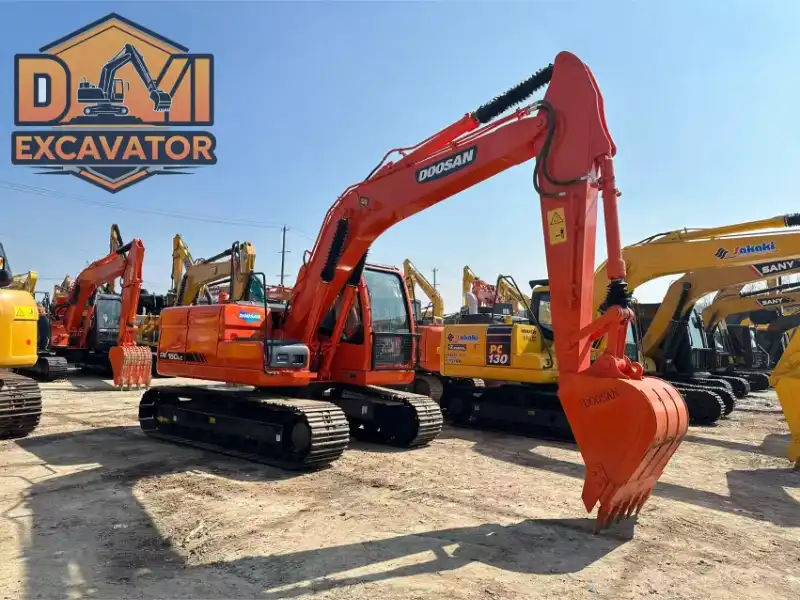
The Ultimate Checklist for Evaluating a Used Excavator
Release time: 2026-01-04
Making an informed decision is crucial when buying a used excavator. An excavator is a significant investment in a construction project, and ensuring you choose a reliable machine can save you time, money, and prevent future problems. This ultimate checklist will guide you through the key factors to consider when evaluating a used excavator.
1. Inspect the exterior
The first step in evaluating a used excavator is to conduct a thorough inspection of its exterior. Look for signs of wear, such as rust, dents, or cracks in the body. Pay particular attention to the undercarriage, as this area typically shows the most wear. Inspect the tracks for signs of damage or excessive wear, as replacing tracks can be very costly.
2. Inspect the engine.
The engine is the core component of an excavator, and its condition is crucial. Start the engine and listen carefully for any unusual noises, such as knocking or grinding sounds. Check for leaks around the engine and hydraulic components. Additionally, check the engine oil and coolant levels and inspect the oil for any signs of contamination. A well-maintained engine will have clean oil and no visible leaks.


3. Evaluate the hydraulic system
The hydraulic system is crucial for the operation of an excavator. Inspect the hydraulic hoses for signs of wear, cracks, or leaks. Test the hydraulic function by operating the boom, stick, and bucket. Ensure all movements are smooth and responsive. Any sluggishness or jerking may indicate a problem with the hydraulic system, requiring costly repairs.
4. Assess the condition of the driver’s cab.
The cab is where the operator spends most of their time, so its condition is crucial to comfort and safety. Inspect the seats for wear and tear and ensure all controls are functioning properly. Check the visibility from inside the cab; good visibility is essential for safe operation. Additionally, ensure safety devices such as seatbelts and emergency stop switches are properly installed and functioning correctly.
5. Review maintenance records
A complete maintenance log provides crucial information about the excavator’s condition. Request the maintenance log from the seller to understand the machine’s upkeep history. Regular maintenance, such as oil changes and inspections, demonstrates the previous owner’s care for the equipment. Pay attention to any major repairs or replacements, as these can affect the machine’s lifespan.
6. Consider brand and model
Excavators from different brands and models have varying reputations regarding reliability and performance. When choosing an excavator, be sure to do thorough research on the specific brand and model you are considering, understanding their strengths and weaknesses. Some brands are known for their durability and ease of maintenance, while others may have some issues. This information will help you make a more informed choice.
in conclusion
Buying a used excavator can be a daunting task, but with the right checklist, you can confidently navigate the process. By inspecting the exterior, engine, hydraulic system, cab condition, and reviewing maintenance records, you can ensure it’s a wise investment.
Dayi specializes in selling high-quality used excavators and other construction machinery. We are committed to providing a comprehensive parts supply to ensure your equipment has everything you need. Choose Dayi to help you find the ideal used excavator that best suits your project needs and budget.